Request For Site Visit / Direct Quotation
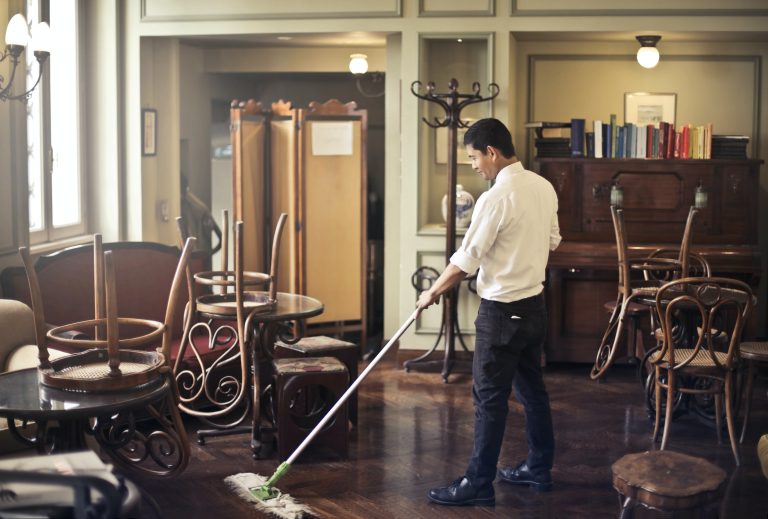
The food-service industry is a competitive one where every customer counts. Restaurant cleaning services is vital because you need to make your restaurant as good as possible, better than your competitors.
Yet it’s hard to stand out with delicious food alone, especially in a saturated market. You have to make sure the customer experience matches the quality of your food, including your restaurant’s ambiance.
Restaurant cleanliness is a significant factor when it comes to food safety. This can help you avoid any legal claims made against your restaurant. Cleanliness also impacts customer satisfaction, which will affect your bottom line.
This guide covers how to clean a restaurant properly and maintain those high standards over time. We’ll also provide a checklist of the most critical areas to focus on daily, weekly, monthly, quarterly, and annually.
What is Restaurant Cleaning?
Restaurant cleaning includes many activities such as food preparation areas cleaning, dining areas cleaning, kitchen exhaust systems cleaning, parking lots cleaning, entrance, and windows cleaning, etc. All these activities require different types of equipment to ensure that your restaurant is completely dust-free, grease-free, and bacteria-free.
First things first: Are cleanliness hygiene standards being graded?
In Singapore, Food Hawker Stalls and Restaurant Stalls are being graded into 4 standards: Grade A, B, C or D for hygiene standards. ‘A’ being the best grade in hygiene and cleaniness, then ‘D’, being the poorest. For more details on the grading system, do visit the NEA website.
Kitchen deep-cleaning
The kitchen is the heart of any restaurant, and it’s where a lot of the magic happens. It’s also an area that must be super-cleaned to prevent foodborne illnesses. Here are some tips for a deep spring cleaning of your kitchen:
Hoods, filters, and ductwork
These areas can get pretty grimy over time, so they’re significant areas to focus on while deep cleaning. If they haven’t been cleaned in a while, use a degreasing agent to get rid of stubborn grease stains.
Kitchen appliances
Your appliances will also have grease and food build-up. Use a degreaser on your oven, stove, fryer, and grill. Then use a reliable cleaner to get rid of residue from your microwave.
Exhaust fans
Exhaust fans are another big area for grease build-up. It would be best to clean these at least once every few months, but once every few weeks is even better.
Behind equipment
When you’re cleaning your kitchen, ensure you get behind all your restaurant equipment — stoves and refrigerators included!
Empty refrigeration units
Get rid of expired food items and clean out all food debris within the unit. This will help prevent foul odors from forming inside the unit.
Kitchen ceiling and walls
You’ll probably find grease build-up here. Clean this area with a grease dissolver and wash it down with soap and water.
Common areas and lounges
Restaurants have many common areas that need to be cleaned regularly. These are the places where people gather or walkthrough, such as entrances and exits, restrooms, counters, waiting areas, etc. They can also include the dining area and lobby or lounges.
Keeping these common areas clean is essential because they represent your restaurant’s brand and image. These are the first parts of the restaurant that guests see when they walk in. If you haven’t done an excellent job keeping these areas clean, they may negatively impact your business even before they’ve tried your food.
Floor and tile cleaning
The floor and tile cleaning tasks are some of the most time-consuming chores in a restaurant. Deep cleaning your restaurant’s floors means you will need to do more than just sweep, mop, and vacuum. Here are a few things to consider when deep cleaning your restaurant’s floors:
- Floors should be cleaned from the back of the restaurant toward the front and from top to bottom, with each area remaining off-limits until it has been thoroughly cleaned.
- Floors should be cleaned with a walk-behind scrubber or automatic scrubber daily. This is especially important in areas where food is prepared.
- Floors in areas where food is prepared should be cleaned with a walk-behind scrubber or automatic scrubber between prep sessions.
- Use water, degreasers, detergents, disinfectants, and other accepted solutions
- Do not use plain water on kitchen floors. Plain water won’t break down grease and oils that can cause slippery conditions.
Check Out : What Is The Best Way To Clean Tile Floors
Upholstery cleaning
Upholstery may not be overlooked as often as the baseboard, but it is still essential for the restaurant cleaning process. Restaurant upholstery does not need to be cleaned daily, but it should be professionally cleaned at least once or twice a year.
You may think that you can clean your upholstery. However, this is one area where a professional cleaning service would be beneficial. Professional cleaners have the equipment, know-how, and experience to get the job done right. They will also ensure that your upholstery is completely dry before use.
Restroom sanitization and cleaning
A clean restroom is an essential part of any restaurant business.
- Sanitize toilet seats, handles, and flush buttons using a cloth or sponge with soap and warm water.
- Disinfect the sink, faucet handles, and countertops using diluted bleach or disinfectant spray.
- Clean mirrors and walls using a glass cleaner.
- If necessary, wash floors, tiles, and shower stalls using hot water and grout cleaner.
- Clean the toilet bowl, including the rim and behind it, with a toilet bowl cleaner.
- Replace hand towels or paper towels as needed.
- Empty trash cans and replace liners as needed.
Waitress station and hostess stand
Waitress stations and hostess stands are often the messiest. It’s a common area for servers to gather notes, take phone calls and even eat. The counters can be covered with ketchup, mustard, and spices. Gum gets stuck under the tables, and spills can occur. Here are some things that you need to do:
- Mop the floor thoroughly at least once a day.
- Wipe down the counters with disinfectant wipes.
- Sanitize all surfaces with a disinfectant solution.
- Wash coffee mugs, silverware, and plates in soapy water or run them through the dishwasher.
- Make sure employees wash their hands before handling food or drinks.
- Clean up spills immediately to prevent slips, trips, or falls.
- Remove any trash and replace the bag.
- Clean the equipment such as coffee maker and microwave.
Dining area cleaning
Here’s a quick checklist for the restaurant dining area:
- Sweep, mop, and vacuum the floors. This should be done at least once daily (preferably twice) and after closing. For high-traffic dining areas, you may also need to vacuum at mid-day.
- Wipe down tables, chairs, booths, hostess stands, and other surfaces using appropriate cleaning solutions. You’ll also want to sanitize highchairs and booster seats after each use by customers with infants or small children.
- Sanitize all condiment stations. Wipe down the containers, lids, and countertops with appropriate cleaners, then restock.
Final Thoughts
Ultimately, restaurant cleaning is a lot like any other type of housekeeping. You need to establish a routine that works for you and your unique business, and be sure to perform spot checks wherever necessary. Some restaurants develop checklists specifically for the kitchen, dining, and restroom areas, while others use an all-purpose checklist that can be used throughout the entire establishment. Either way, cleaning is not just about eliminating messes; it’s about maintaining a healthy environment for your employees and customers.
The food-service industry is a competitive one where every customer counts. Restaurant cleaning services is vital because you need to make your restaurant as good as possible, better than your competitors.
Yet it’s hard to stand out with delicious food alone, especially in a saturated market. You have to make sure the customer experience matches the quality of your food, including your restaurant’s ambiance.
Restaurant cleanliness is a significant factor when it comes to food safety. This can help you avoid any legal claims made against your restaurant. Cleanliness also impacts customer satisfaction, which will affect your bottom line.
This guide covers how to clean a restaurant properly and maintain those high standards over time. We’ll also provide a checklist of the most critical areas to focus on daily, weekly, monthly, quarterly, and annually.
What is Restaurant Cleaning?
Restaurant cleaning includes many activities such as food preparation areas cleaning, dining areas cleaning, kitchen exhaust systems cleaning, parking lots cleaning, entrance, and windows cleaning, etc. All these activities require different types of equipment to ensure that your restaurant is completely dust-free, grease-free, and bacteria-free.
First things first: Are cleanliness hygiene standards being graded?
In Singapore, Food Hawker Stalls and Restaurant Stalls are being graded into 4 standards: Grade A, B, C or D for hygiene standards. ‘A’ being the best grade in hygiene and cleaniness, then ‘D’, being the poorest. For more details on the grading system, do visit the NEA website.
Kitchen deep-cleaning
The kitchen is the heart of any restaurant, and it’s where a lot of the magic happens. It’s also an area that must be super-cleaned to prevent foodborne illnesses. Here are some tips for a deep spring cleaning of your kitchen:
Hoods, filters, and ductwork
These areas can get pretty grimy over time, so they’re significant areas to focus on while deep cleaning. If they haven’t been cleaned in a while, use a degreasing agent to get rid of stubborn grease stains.
Kitchen appliances
Your appliances will also have grease and food build-up. Use a degreaser on your oven, stove, fryer, and grill. Then use a reliable cleaner to get rid of residue from your microwave.
Exhaust fans
Exhaust fans are another big area for grease build-up. It would be best to clean these at least once every few months, but once every few weeks is even better.
Behind equipment
When you’re cleaning your kitchen, ensure you get behind all your restaurant equipment — stoves and refrigerators included!
Empty refrigeration units
Get rid of expired food items and clean out all food debris within the unit. This will help prevent foul odors from forming inside the unit.
Kitchen ceiling and walls
You’ll probably find grease build-up here. Clean this area with a grease dissolver and wash it down with soap and water.
Common areas and lounges
Restaurants have many common areas that need to be cleaned regularly. These are the places where people gather or walkthrough, such as entrances and exits, restrooms, counters, waiting areas, etc. They can also include the dining area and lobby or lounges.
Keeping these common areas clean is essential because they represent your restaurant’s brand and image. These are the first parts of the restaurant that guests see when they walk in. If you haven’t done an excellent job keeping these areas clean, they may negatively impact your business even before they’ve tried your food.
Floor and tile cleaning
The floor and tile cleaning tasks are some of the most time-consuming chores in a restaurant. Deep cleaning your restaurant’s floors means you will need to do more than just sweep, mop, and vacuum. Here are a few things to consider when deep cleaning your restaurant’s floors:
- Floors should be cleaned from the back of the restaurant toward the front and from top to bottom, with each area remaining off-limits until it has been thoroughly cleaned.
- Floors should be cleaned with a walk-behind scrubber or automatic scrubber daily. This is especially important in areas where food is prepared.
- Floors in areas where food is prepared should be cleaned with a walk-behind scrubber or automatic scrubber between prep sessions.
- Use water, degreasers, detergents, disinfectants, and other accepted solutions
- Do not use plain water on kitchen floors. Plain water won’t break down grease and oils that can cause slippery conditions.
Check Out : What Is The Best Way To Clean Tile Floors
Upholstery cleaning
Upholstery may not be overlooked as often as the baseboard, but it is still essential for the restaurant cleaning process. Restaurant upholstery does not need to be cleaned daily, but it should be professionally cleaned at least once or twice a year.
You may think that you can clean your upholstery. However, this is one area where a professional cleaning service would be beneficial. Professional cleaners have the equipment, know-how, and experience to get the job done right. They will also ensure that your upholstery is completely dry before use.
Restroom sanitization and cleaning
A clean restroom is an essential part of any restaurant business.
- Sanitize toilet seats, handles, and flush buttons using a cloth or sponge with soap and warm water.
- Disinfect the sink, faucet handles, and countertops using diluted bleach or disinfectant spray.
- Clean mirrors and walls using a glass cleaner.
- If necessary, wash floors, tiles, and shower stalls using hot water and grout cleaner.
- Clean the toilet bowl, including the rim and behind it, with a toilet bowl cleaner.
- Replace hand towels or paper towels as needed.
- Empty trash cans and replace liners as needed.
Waitress station and hostess stand
Waitress stations and hostess stands are often the messiest. It’s a common area for servers to gather notes, take phone calls and even eat. The counters can be covered with ketchup, mustard, and spices. Gum gets stuck under the tables, and spills can occur. Here are some things that you need to do:
- Mop the floor thoroughly at least once a day.
- Wipe down the counters with disinfectant wipes.
- Sanitize all surfaces with a disinfectant solution.
- Wash coffee mugs, silverware, and plates in soapy water or run them through the dishwasher.
- Make sure employees wash their hands before handling food or drinks.
- Clean up spills immediately to prevent slips, trips, or falls.
- Remove any trash and replace the bag.
- Clean the equipment such as coffee maker and microwave.
Dining area cleaning
Here’s a quick checklist for the restaurant dining area:
- Sweep, mop, and vacuum the floors. This should be done at least once daily (preferably twice) and after closing. For high-traffic dining areas, you may also need to vacuum at mid-day.
- Wipe down tables, chairs, booths, hostess stands, and other surfaces using appropriate cleaning solutions. You’ll also want to sanitize highchairs and booster seats after each use by customers with infants or small children.
- Sanitize all condiment stations. Wipe down the containers, lids, and countertops with appropriate cleaners, then restock.
Final Thoughts
Ultimately, restaurant cleaning is a lot like any other type of housekeeping. You need to establish a routine that works for you and your unique business, and be sure to perform spot checks wherever necessary. Some restaurants develop checklists specifically for the kitchen, dining, and restroom areas, while others use an all-purpose checklist that can be used throughout the entire establishment. Either way, cleaning is not just about eliminating messes; it’s about maintaining a healthy environment for your employees and customers.
